ALTERNATIVE DOCTOR, LLC



|
ALTERNATIVE DOCTOR, LLC
|
|
PAU D'ARCO
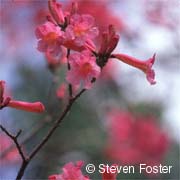
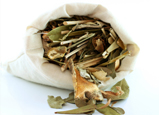
Brazilian herbalists use pau d'arco to treat ulcers, diabetes, rheumatism, cancer, and ringworm. It's a very popular tea for Candida fungal infections, inflammation, and other infections. And some traditional healers claim that this tea can even help cure cancer. Pau d'arco has become so popular a remedy in the United States that the trees are in danger of becoming extinct. Plant Description Pau d'arco is an herbal tea made from the inner bark of Tabebuia evergreen trees. These trees grow in the warm parts of Central and South America. Most pau d'arco comes from a tree in the Amazon rain forest called Tabebuia avellanedae. It is a broad-leaf evergreen that grows to a height of 125 feet. The wood of this tree is so hard that it doesn't decay easily. What's It Made Of? Pau d'arco products are made from the inner bark of Tabebuia trees. The bark contains important chemical compounds called naphthoquinones. Some naphthoquinones are beneficial for fighting infection and reducing inflammation. But because most pau d'arco products are not standardized, they may or may not have a significant amount of the important active substances. Some herbal teas that are labeled pau d'arco aren't really made from Tabebuia trees. Always read the label to make sure that you're getting authentic pau d'arco. Look for Tabebuia avellanedae as an ingredient. Available Forms Pau d'arco is sold as dried bark tea, alcohol extract, and nonalcohol (usually glycerin) extract. Most of the chemical research on pau d'arco has been done on the wood and not the bark. The heartwood of Tabebuia avellanedae contains naphthoquinones. But it's not easy to tell how much naphthoquinones are in pau d'arco products because they're not standardized. So it is best to buy commercial brands that have a good reputation for quality. How to Take It Pau d'arco seems to be helpful for treating yeast infections. It is beneficial for vaginal candidiasis and oral thrush candidiasis. Pau d'arco also has some antibiotic and antifungal properties, and it sometimes reduces the inflammation of arthritis. Scientists have found that lapachol, the active ingredient in pau d'arco, can block fungal infections and destroy intestinal parasites. It can kill bacteria and viruses that cause infections such as herpes simplex, influenza, and polio. You can take pau d'arco as an herbal supplement if you have any of these conditions. But if you have a serious health problem, whether it is an infection or cancer, first check with your health care provider. Recommended dosage: If you're making a tea from loose bark, boil 1 tsp. of pau d'arco in 1 cup water (8 oz.) for 5 to 15 minutes.
Precautions It is safe to drink pau d'arco tea and take pau d'arco extract at the recommended dosages. If you drink too much, you might become nauseated. If you have problems with blood clots, don't take pau d'arco unless you've talked to your health care provider first. Possible Interactions No harmful drug interactions have been reported. Supporting Research Anesini C, et al. Screening of plants used in Argentine folk medicine for antimicrobial activity. J Ethnopharmacol. 1993;39:119–128. Block J, Sterpick A, Miller W; Wiernik P. Early clinical studies with lapachol (NSC-11905). Cancer Chemother Rep. 1974;4(part 2):27–28. Dinnen RD, Ebisuzaki K. The search for novel anticancer agents: a differentiation-based assay and analysis of a folklore product. Anticancer Res. 1997;(2A):1027–1033. Genet J. Natural remedies for vaginal infections [in French]. Sidahora. 1995;Winter:40–41. Gershon H, Shanks L. Fungitoxicity of 1,4-naphthoquinones to Candida albicans and Trichophyton mentagrophytes. Can J of Microbio. 1975;21:1317–1321. Duke J, Vasquez R. Amazonian Ethnobotanical Dictionary. Boca Raton, Fla: CRC Press; 1994:164. Kinghorn AD, Balandrin MA, eds. Human Medicinal Agents from Plants. Washington, DC: American Chemical Society; 1993:16–17. Murray MT. The Healing Power of Herbs: The Enlightened Person's Guide to the Wonders of Medicinal Plants. 2nd ed. Rocklin, Calif: Prima Publishing; 1995:220–227. Nakona K, et al. Iridoids From Tabebuia Avellanedae. Phytochemisty. 1993;32:371–373. Perez H, et al. Chemical Investigations and in Vitro Antimalarial Activity of Tabebuia ochracea ssp. Neochrysanta. International Journal of Pharmacognosy. 1997;35:227–231. Schultes RE, Raffauf RF. The Healing Forest: Medicinal and Toxic Plants of the Northwest Amazonia. Portland, Ore: Dioscorides Press; 1990:107–109. Shealy CN. The Illustrated Encyclopedia of Healing Remedies. Dorset UK: Element Books; 1998:132. Tyler VE. Herbs of Choice: The Therapeutic Use of Phytomedicinals. Binghamton, NY: Pharmaceutical Products Press; 1994:180. Tyler VE. The Honest Herbal: A Sensible Guide to the Use of Herbs and Related Remedies. 3rd ed. Binghamton, NY: Pharmaceutical Products Press; 1993:239–240. Ueda S, et al. Production of anti-tumour-promoting furanonaphthoquinones in Tabebuia avellanedae cell cultures. Phytochemistry. 1994;36:323–325.
Copyright © 2000 Integrative Medicine Communications The publisher does not accept any responsibility for the accuracy of the information or the consequences arising from the application, use, or misuse of any of the information contained herein, including any injury and/or damage to any person or property as a matter of product liability, negligence, or otherwise. No warranty, expressed or implied, is made in regard to the contents of this material. No claims or endorsements are made for any drugs or compounds currently marketed or in investigative use. This material is not intended as a guide to self-medication. The reader is advised to discuss the information provided here with a doctor, pharmacist, nurse, or other authorized healthcare practitioner and to check product information (including package inserts) regarding dosage, precautions, warnings, interactions, and contraindications before administering any drug, herb, or supplement discussed herein. |