ALTERNATIVE DOCTOR, LLC



|
ALTERNATIVE DOCTOR, LLC
|
|
LOBELIA
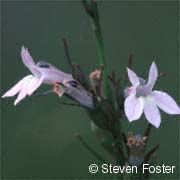
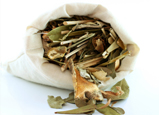
Lobelia (Lobelia inflata), also called Indian tobacco, has a long history of use as an herbal remedy for respiratory ailments, such as asthma, bronchitis, pneumonia, and coughs. Native Americans historically smoked lobelia as a treatment for asthma. An active ingredient in the lobelia plant, lobeline, is similar to nicotine in its effect on the central nervous system. Lobeline acts as a relaxant overall while also dilating the bronchioles (air passages), thereby increasing respiration. Its antiasthma activity consists of stimulating the adrenal glands to release the hormone epinephrine, which relaxes the airways. Plant Description Lobelia is an attractive annual or sometimes biennial (replanted every year or two) herb that grows to a height of three feet. Its erect, hairy stem is angular, branching at the top, usually green with a tinge of violet. The pale green or yellowish leaves have a sharp taste and a slightly irritating odor. The sparse flowers are pale violet-blue outside and pale yellow inside. Parts Used The following parts of the lobelia plant are used for medicinal preparations.
Medicinal Uses/Indications Lobelia is used to treat the following conditions and symptoms.
Lobelia can also be applied externally for diseases of the muscles, joints, and tendons that involve inflammation and degeneration. Available Forms Lobelia is available in the following forms for internal use.
Lobelia is also available in the following forms for applying to the body.
How to Take It The following are recommended doses.
Taking the appropriate dose of lobelia is very important. Therapy should begin with the use of lower dosages and increase depending upon the individual's response. Precautions Both lobelia and its main active ingredient, lobeline, may cause undesirable symptoms similar to reactions to nicotine. These include nausea, vomiting, diarrhea, coughing, dizziness, disturbed hearing and vision, mental confusion, and weakness. Overdosage of lobelia may cause serious side effects, including shivering, profuse sweating, increased heart rate, convulsion, hypothermia, low blood pressure, coma, and, in extreme cases, respiratory failure. Eating 0.6 to 1g of lobelia leaves is reportedly toxic. Possible Interactions Although there are no known reports of harmful drug interactions with this herb, lobelia may increase the effects of smoking cessation products as well as any associated side effects. Supporting Research Bradley P, ed. British Herbal Compendium. Vol. I. Dorset (Great Britain): British Herbal Medicine Association; 1992: 149-150. Davison GC, Rosen RC. Lobeline and reduction of cigarette smoking. Psychol Rep. 1972;31:443-56. Dorland's Illustrated Medical Dictionary. 25th ed. Philadelphia: W.B. Saunders; 1974. Ganong WF. Review of Medical Physiology. 17th ed. Norwalk, CT: Appleton and Lange; 1995: 211. Grieve M. A Modern Herbal. Vol. II. New York: Dover; 1971: 494-495. Gruenwald J, Brendler T, Christof J. PDR for Herbal Medicines. Montvale, NJ: Medical Economics Company; 1998: 943. Murray, MT. The Healing Power of Herbs: The Enlightened Person's Guide to the Wonders of Medicinal Plants. 2nd ed. Rocklin, CA: Prima Publishing; 1995: 240-242. Murray MT, Pizzorno J. Encyclopedia of Natural Medicine. 2nd ed. Rocklin, CA: Prima Publishing; 1998: 270. Newall C, Anderson L, Phillipson J. Herbal Medicines: A Guide for Health-care Professionals. London: Pharmaceutical Press; 1996: 187. Subarnas A, Tadano T, Oshima Y, Kisara K, Ohizumi Y. Pharmacological properties of beta-amyrin palmitate, a novel centrally acting compound, isolated from Lobelia inflata leaves. J Pharm Pharmacol. 1993; 45(ISS 6):545-550. Subarnas A, Oshima Y, Sidik, Ohizumi Y. An antidepressant principle of Lobelia inflata L. (Campanulaceae). J Pharm Sci. 1992; 53(7):620-621. Teng L, Crooks PA, Dwoskin LP. Lobeline displaces [3H]dihydrotetrabenazine binding and releases [3H]dopamine from rat striatal synaptic vesicles: comparison with d-amphetamine. J Neurochem. 1998; 71(1):258-265. Thomson WA. Medicines from the Earth: A Guide to Healing Plants. Alfred Van Der Marck eds. Maidenhead, England: McGraw-Hill Book company (UK); 1978: 78-79. Tyler V. Herbs of Choice: The Therapeutic Use of Phytomedicinals. Binghamton, NY: Haworth; 1994: 95. Tyler V. The Honest Herbal: A Sensible Guide to the Use of Herbs and Related Remedies. 3rd ed. New York: Pharmaceutical Products Press; 1993: 205-206.
Copyright © 2000 Integrative Medicine Communications The publisher does not accept any responsibility for the accuracy of the information or the consequences arising from the application, use, or misuse of any of the information contained herein, including any injury and/or damage to any person or property as a matter of product liability, negligence, or otherwise. No warranty, expressed or implied, is made in regard to the contents of this material. No claims or endorsements are made for any drugs or compounds currently marketed or in investigative use. This material is not intended as a guide to self-medication. The reader is advised to discuss the information provided here with a doctor, pharmacist, nurse, or other authorized healthcare practitioner and to check product information (including package inserts) regarding dosage, precautions, warnings, interactions, and contraindications before administering any drug, herb, or supplement discussed herein. |