ALTERNATIVE DOCTOR, LLC



|
ALTERNATIVE DOCTOR, LLC
|
|
LEMON BALM
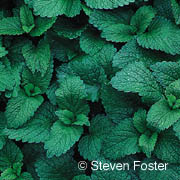
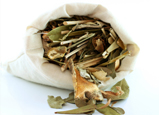
Just as mint is known for its soothing effects on the stomach, lemon balm is also used to ease pain and discomfort associated with digestion, including gas and bloating. Lemon balm also calms and relaxes, easing away stress and nervous anxiety, and can help you get to sleep, and has been used for this purpose as far back as the Middle Ages. Today, it is often combined with other calming, soothing herbs, such as valerian, to enhance the overall relaxing effect. Even before the Middle Ages, lemon balm was used to lift the spirits, and to help heal wounds and reduce the swelling and pain of insect bites. European ointments for cold sores and herpes sores contain high concentrations of lemon balm. Patients say these ointments work better than some prescription medications in easing pain and preventing sores from coming back, and their health care providers confirm this. Plant Description Lemon balm comes from Europe and is now grown all over the world. It is grown not only in herb gardens, but also in crops for medicine, cosmetics, and furniture polish manufacturing. The plant grows up to two feet high, sometimes higher if left untended. In the spring and summer, clusters of small, light yellow flowers grow where the leaves meet the stem. The leaves are very deeply wrinkled and range from dark green to yellowish green in color, depending on the soil and climate. If you rub your fingers on them, your fingers will smell tart and sweet, like lemons. The leaves are similar in shape to mint leaves, and in fact, come from the same plant family. What's It Made Of? Lemon balm preparations are made from the leaves of the plant. Essential oils made from lemon balm leaves contain plant chemicals called terpenes, which cause at least some of the herb's sedative and antiviral effects. Lemon balm also contains ingredients called tannins, which are thought to cause many of the herb's antiviral effects. It also contains eugenol, which calms muscle spasms, numbs tissues, and kills bacteria. Lemon balm is also used to treat headaches, menarche (delayed menstruation), and chronic fatigue syndrome. It also seems to help in the treatment of a thyroid disorder called Graves' disease. While clinical trials are lacking, the tests that have been done tend to support the herb's many uses. For example, lemon balm essential oil was seen to relax laboratory animals, and smooth muscles that line the digestive tract in these same animals. Studies also suggest that lemon balm extracts affect the thyroid hormones in a way that benefits people with Graves' disease. Research also supports its use for cold sores, or lesions due to herpes viruses. Available Forms Lemon balm is available as dried leaf that can be bought in bulk. It is also sold as tea, and in capsules, extracts, tinctures, and oil. The creams used in Europe, which contain high levels of lemon balm, are not currently available in the United States, but teas can be used on the skin by applying it with cotton balls. How to Take It In general, you should read the manufacturer's suggestions for use when taking any herbal product, and consult with your health care provider for brands and dosages that he or she recommends. For difficulty sleeping, or to reduce stomach complaints, flatulence, or bloating, choose from the following.
For cold sores or herpes sores, steep 2 to 4 tsp. of crushed leaf in 1 cup boiling water for 10 to 15 minutes. Cool. Apply with cotton balls to the sores throughout the day. Precautions No side effects or symptoms of toxicity have been reported with lemon balm use, but because it is used to bring on menstruation, do not use it if you are pregnant. Possible Interactions No harmful drug interactions have been reported. Supporting Research Auf'mkolk M, Ingbar JC, Kubota K, et al. Extracts and auto-oxidized constituents of certain plants inhibit the receptor-binding and the biological activity of Graves' immunoglobulins. Endocrinology. 1985;116:1687–1693. Auf'mkolk M; H; Hesch RD; Ingbar SH Ingbar JC; Amir SM; Winterhoff H; Sourgens. Inhibition by certain plant extracts of the binding and adenylate cyclase stimulatory effect of bovine thyrotropin in human thyroid membranes. Endocrinology. 1984;115:527–534. Blumenthal M, ed. The Complete German Commission E Monographs. Boston, Mass: Integrative Medicine Communications; 1998. Bremness L. Herbs. New York, NY: DK Publishing, 1994. Brinker F. Herb Contraindications and Drug Interactions. 2nd ed. Sandy, Ore: Eclectic Medical; 1998:32-33. Castleman M. The Healing Herbs. Emmaus, Pa: Rodale Press; 1991. Duke JA. The Green Pharmacy. Emmaus, Pa: Rodale Press; 1997. Foster S. Herbal Renaissance: Growing, Using and Understanding Herbs in the Modern World. Salt Lake City, Utah: Gibbs-Smith; 1993. Hausen BM, Schulze R. Comparative studies of the sensitizing capacity of drugs used in herpes simplex [in German]. Derm Beruf Umwelt. 1986;34(6):163–170. Kowalchik C and Hylton W, eds. Rodale's Illustrated Encyclopedia of Herbs. Emmaus, Pa: Rodale Press; 1998. Leung A, Foster S. Encyclopedia of Common Natural Ingredients Used in Food, Drugs, and Cosmetics. 2nd ed. New York, NY: Wiley & Sons; 1996. May G, Willuhn G. Antiviral effect of aqueous plant extracts in tissue culture [In German]. Arzneimittelforschung. 1978;28:1–7. McCaleb R. Melissa relief for herpes sufferers. HerbalGram. 1995;34. McGuffin M, Hobbs C, Upton R, Goldberg A. American Herbal Products Associations's Botanical Safety Handbook. Boca Raton, Fla: CRC Press; 1996. Perry EK, et al. Medicinal plants and Alzheimer's disease: Integrating ethnobotanical and contemporary scientific evidence. J Altern Complement Med. 1998;4:419–428. Schultz V, Hansel R, Tyler V. Rational Phytotherapy: A Physician's Guide to Herbal Medicine. New York, NY: Springer-Verlag; 1998. Soulimani R, Fleurentin J, Mortier F, et al. Neurotropic action of the hydroalcoholic extract of Melissa officinalis in the mouse. Planta Med. 1993;59(suppl):A691. Soulimani R, et al. Neurotropic action of the hydroalcoholic extract of Melissa officinalis in the mouse. Planta Med. 1991;57:105–109. Tagashira M, Ohtake Y. New Antioxidative 1,3-Benzodioxole from Melissa officinalis. Planta Med. 1988;64:555–558. Taylor L. Herbal Secrets of the Rainforest. Rocklin, Calif: Prima Publishing; 1998. Tyler VE. Phytomedicines in Western Europe: their potential impact on herbal medicine in the United States. Presented at: Human Medicinal Agents from Plants, The American Chemical Society, 1992. HerbalGram 30, 67. Vogt HJ, Tausch I, Wöbling RH, Kaiser PM. Melissenextrakt bei Herpes simplex. Der Allgemeinarzt. 1991;13:832–841. Wagner H, Sprinkmeyer L. Pharmacological effect of balm spirit [in German]. Deut Apoth Ztg. 1973;113:1159–1166. Wöbling RH, Leonhardt K. Local therapy of herpes simplex with dried extract from Melissa officinalis. Phytomedicine. 1994;1:25–31.
Copyright © 2000 Integrative Medicine Communications The publisher does not accept any responsibility for the accuracy of the information or the consequences arising from the application, use, or misuse of any of the information contained herein, including any injury and/or damage to any person or property as a matter of product liability, negligence, or otherwise. No warranty, expressed or implied, is made in regard to the contents of this material. No claims or endorsements are made for any drugs or compounds currently marketed or in investigative use. This material is not intended as a guide to self-medication. The reader is advised to discuss the information provided here with a doctor, pharmacist, nurse, or other authorized healthcare practitioner and to check product information (including package inserts) regarding dosage, precautions, warnings, interactions, and contraindications before administering any drug, herb, or supplement discussed herein. |