ALTERNATIVE DOCTOR, LLC



|
ALTERNATIVE DOCTOR, LLC
|
|
KAVA KAVA People in the Pacific Islands, where kava comes from, have probably used kava
for thousands of years. First knowledge of it in the West came with one of the
expeditions led by Captain James Cook in the 1700s. Natives to the islands used
kava as part of important rituals and rites, and it was the focus of many social
gatherings. The drink prepared from the roots numbs the mouth. In the 20th
century, kava has been given to many important visitors to the Pacific Islands.
Hillary Rodham Clinton and Pope John Paul II were given kava during welcoming
ceremonies, as were President and Mrs. Lyndon B. Johnson in 1966. Kava root can reduce stress-related anxiety and the effects of anxiety
disorders. At lower dosages, kava helps you be more aware and active, but not
tense. At higher dosages, the chemicals in kava root can make you sleepy. But
usually, kava is simply calming, as opposed to the heavier sedation of alcohol
or antianxiety prescription drugs. Health care providers prescribe kava for pain
and stiffness, anxiety, insomnia, menopausal anxiety, uncontrolled epilepsy,
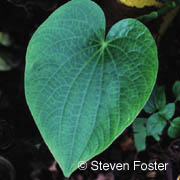
pain, and jet lag. Plant Description The root comes from a tall shrub that grows in the islands of the Pacific
Ocean, including Hawaii. This shrub produces large, green, heart-shaped leaves
that grow thickly on the branches, off thick stalks. Long, slender flowers that
look like Chinese baby corn grow where the branches meet the stems. The roots
look like bundles of woody, hairy branches. What's It Made Of? Kava root contains chemicals called kavapyrones, which reduce convulsions and
cause muscles to relax in laboratory tests using animals. The kavalactones also
cause reactions in the brain that are believed to be like those caused by
pharmaceutical drugs used for depression and anxiety. Kavalactones are what
numbs your tongue if you put liquid kava in your mouth or on your gums. Available Forms In some cultures, kava is prepared by chewing the root and spitting it into a
bowl. The saliva mixes with the root and activates the plant medicine. Today,
manufacturers use alcohol or acetate instead. You can find kava in liquid form,
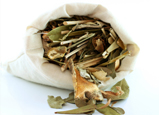
as tinctures or extracts, and in capsules or tablets. It's also available
powdered or crushed. How to Take It If your health care provider has recommended kava, make sure you read the
label to look for kava products that are standardized to contain a 70 percent
kavalactone content. A standardized product is one with a listing of specific
amounts of active plant material per dosage. For the relief of anxiety and insomnia, and to reduce stress, the recommended
kava dose is 2.0 to 4.0 g as decoction (a preparation made by boiling down the
herb in water) up to three times daily. Take 60 to 600 mg kavalactones daily of
standardized formulas or follow your provider's instructions. Length of treatment varies. It may take four weeks before you notice
improvement. Recommendations are not to take kava for longer than three months.
Precautions Kava's side effects are mild. It can numb the mouth and may have an
unpleasant taste. A very small percentage of people report nausea, headache,
dizziness, or skin rash when they take kava. If any of these happen to you, make
sure you tell your health care provider. Don't drive if you are taking Kava. The American Herbal Products Association (AHPA) advises pregnant and
breast-feeding women not to take kava. It also advises against taking more than
the recommended dosage, using kava for longer than three months at a time, and
driving while using kava. Missionaries to the Pacific islands during the 19th century
noticed that people who took kava all the time had yellowish, scaly skin. In a
more recent study, people who took 100 times the recommended dose experienced
this same yellowing, developed a rash, lost hair, and had trouble with vision,
appetite, and breathing. These changes go away when you stop taking kava. Possible Interactions Do not take kava with alcoholic beverages and medications that have sedative
effects like antihistamines and therapies for anxiety and insomnia. Kava may
increase the effects of these medications. Kava may reduce the effectiveness of levodopa that is used for the treatment
of Parkinson's disease. Therefore, you should not take this herb if you are
taking any medications containing levodopa. Supporting Research Almeida JC, Grimsley EW. Coma from the health food store: interaction
between kava and alprazolam. Ann Intern Med. 1996;125:940–941. Blumenthal M, ed. The Complete German Commission E Monographs: Therapeutic
Guide to Herbal Medicines. Boston, Mass: Integrative Medicine
Communications; 1998. Brinker F. Herb Contraindications and Drug Interactions. 2nd ed.
Sandy, Ore: Eclectic Medical; 1998:88-89. Davies LP, Drew CA, Duffield P. Kava pyrones and resin: studies on GABA A,
GABA B, and benzodiazepine binding sites in the rodent brain. Pharmacol
Toxicol. 1992;71:120–126. De Smet PAGM, et al, eds. Adverse Effects of Herb Drugs 2. Berlin,
Germany: Springer Verlag; 1993. Foster S. 101 Medicinal Herbs. Loveland, Colo: Interweave Press; 1998. Furguiele AR, Kinnard WJ, Aceto MD, et al. Central activity of aqueous
extracts of Piper methyticum (kava). J Pharm Sci.
1965;54(2):247–252. Heiligenstein E, Guenther RN. Over-the-counter psychotropics: a review of
melatonin, St. John’s wort, valerian, and kava kava. JACH.
1998;46:271–276. Jamieson DD, Duffield PH, Cheng D, et al. Comparison of the central nervous
system activity of the aqueous and lipid extract of kava (Piper methysticum).
Arch Intern Pharmacodynam Ther. 1989;301:66–80. Jamieson DD, Duffield PH. Positive interactions of ethanol and kava resin
inmice. Clin Exp Pharmacol Physiol. 1990;17:509–514. Jussofie A, Schmiz A, Hiemke C. Kava–pyrone enriched extract from Piper
methysticum as a modulator of GABA binding sites in different regions of rat
brain. Psychopharmacol (Berl). 1994;116:469–474. Kinzler E, Kromer J, Lehmann E. Effect of a special kava extract in patients
with anxiety-, tension, and excitation states of non-psychotic genesis. Double
blind study with placebos over four weeks [in German]. Arzneimforsch.
1991;41:584–588. Lehmann E, et al. Efficacy of special kava extract (Piper methysticum)
in patients with states of anxiety, tension and excitedness of non-mental
origin—A double blind placebo controlled study of four weeks treatment.
Phytomedicine. 1996;3:113–119. Lindenberg Von D, Pitule-Schodel H. D, L-Kavain in comparison with oxazepam
in anxiety states. Double-blind clinical trial. Forschr Med.
1990;108:50–54. McGuffin M, Hobbs C, Upton R, Goldberg A. American Herbal Products
Associations's Botanical Safety Handbook. Boca Raton, Fla: CRC Press; 1996. Miller LG. Herbal medicinals: selected clinical considerations focusing on
known or potential drug-herb interactions. Arch Intern Med.
1998;158(20):2200–2211. Munte TE, Heinze HJ, Matzke M, et al. Effects of oxazepam and an extract of
kava roots (Piper methysticum) on event-related potentials in a word
recognition task. Neuropsychobiology. 1993;27:46–53. O’Hara MJ, Kinnard WJ, Buckley JP. Preliminary characterization of aqueous
extracts of Piper methysticum (kava, kawa kawa). J Pharm Sci.
1965;54(7):1021–1025. Schelosky L, Raffauf C, Jendroska K, et al. Kava and dopamine antagonism.
J Neurol Neurosurg Psychiatry 1995;58(5):639–640. Schulz V, Hänsel R, Tyler V. Rational Phytotherapy: A Physician's Guide to
Herbal Medicine. New York, NY: Springer-Verlag; 1998. Seitz U, Schule A, Gleitz J. [3H]-monoamine uptake inhibition properties of
kava pyrones. Planta Med. 1997;63(6):548–549. Singh YD, Blumenthal M. Kava: An overview. HerbalGram. 39:34–55. Singh YN. Kava: an overview. J Ethnopharm. 1965;37:13–45. Volz HP, Kieser M. Kava-kava extract WS 1490 versus placebo in anxiety
disorders—a randomized placebo-controlled 25-week outpatient trial.
Pharmacopsychiatry. 1997;30:1–5. Walden J, von Wegerer J, Winter U, et al. Effects of kawain and dihydro-
methysticin on field potential changes in the hippocampus. Prog
Neuropsycho-pharmacol Biol Psychiatry. 1997;121(4):697–706. Warnecke G. Psychosomatic dysfunction in the female climacteric. Clinical
effectiveness and tolerance of kava extract WS 1490 [in German]. Fortschr
Med. 1991;109:119–122. Copyright © 2000 Integrative Medicine Communications The publisher does not accept any responsibility for the
accuracy of the information or the consequences arising from the application,
use, or misuse of any of the information contained herein, including any injury
and/or damage to any person or property as a matter of product liability,
negligence, or otherwise. No warranty, expressed or implied, is made in regard
to the contents of this material. No claims or endorsements are made for any
drugs or compounds currently marketed or in investigative use. This material is
not intended as a guide to self-medication. The reader is advised to discuss the
information provided here with a doctor, pharmacist, nurse, or other authorized
healthcare practitioner and to check product information (including package
inserts) regarding dosage, precautions, warnings, interactions, and
contraindications before administering any drug, herb, or supplement discussed
herein. |