ALTERNATIVE DOCTOR, LLC



|
ALTERNATIVE DOCTOR, LLC
|
|
HORSETAIL
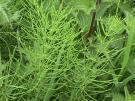
Horsetail (Equisetum arvense), an herbal remedy since ancient times, has traditionally been used to stop bleeding, increase urine production, repair broken bones, and treat rheumatic conditions such as arthritis. Today, horsetail continues to have medicinal value. The plant's stems are rich in silica and silicic acids, which help mend broken bones and form collagen, an important protein found in connective tissue, skin, bone, cartilage, and ligaments. Horsetail is also used as a diuretic, a treatment for kidney and bladder complaints, and an external therapy for bleeding wounds. Plant Description Horsetail is a descendent of huge, tree-like plants that thrived 400 million years ago during the Paleozoic era. Closely related to ferns, horsetail is a non-flowering weed found throughout parts of Europe, Asia, the Middle East, and North America. The plant is a perennial (returns each year) with hollow stems and shoots that look like asparagus. As the plant dries, silica crystals that form in the stems and branches give the plant a scratching effect, thus accounting for its historic use in polishing metal, particularly pewter. Parts Used The aboveground parts of horsetail (fresh or dried) are used for medicinal purposes. Medicinal Uses/Indications Taken internally, horsetail is used to treat the following conditions and symptoms.
Horsetail also can be applied externally to treat the following.
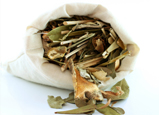
Available Forms Horsetail is available in the following forms.
Horsetail preparations should be stored in well-sealed containers to ensure protection from light. How to Take It Recommended doses are as follows.
Adequate fluid should be consumed when taking horsetail preparations orally. A tea is prepared by pouring boiled water over 2 to 3 g horsetail herb, boiling for five minutes, and then straining after 10 to 15 minutes. Drink during the day between meals. An infusion for internal use is made by adding 1.5 g of horsetail herb to 1 cup of boiling water. Let it steep for 30 to 40 minutes. Precautions Horsetail remedies prepared from Equisetum arvense are generally considered safe. However, you should not take horsetail if you have edema (excessive fluid in body tissue) associated with heart or kidney problems. If you are planning to use fresh horsetail in a bath, you should first consult your health care practitioner. Also, other species of horsetail such as Equisetum palustre are poisonous and should not be used. Possible Interactions Do not use horsetail if you are taking digoxin or digitalis. The diuretic effects of horsetail may cause potassium loss, dangerously increasing the risk of toxicity associated with digoxin and digitalis. Supporting Research Allaby M, ed. Concise Oxford Dictionary of Botany. Oxford/New York: Oxford University Press; 1992: 337-338. Blumenthal M, ed. The Complete German Commission E Monographs. Therapeutic Guide to Herbal Medicines. Boston: Integrative Medicine Communications; 1998: 150-151. Bradley P, ed. British Herbal Compendium. Vol. I. Dorset (Great Britain): British Herbal Medicine Association; 1992: 92-94. Brinker F. Herb Contraindications and Drug Interactions. 2nd ed. Sandy, Ore: Eclectic Medical; 1998:85. Dorland's Illustrated Medical Dictionary. 25th ed. Philadelphia: W.B. Saunders; 1974. Grieve M. A Modern Herbal. Vol. I. New York: Dover; 1971: 419-421. Gruenwald J, Brendler T, Christof J. PDR for Herbal Medicines. Montvale, NJ: Medical Economics Company; 1998: 830-831. Harnischfeger G, Stolze H. Equisetum arvense - Ackerschachtelhalm. In: Bewahrte Pflanzendrogen in Wissenschaft und Mediizin. Bad Homburg/Melsungen, Germany: Notamed Verlag; 1983: 119-127. Hoppe HA. Drogenkunde. 8th ed. Vol. 2. Berlin: Waler de Gruyter; 1977: 173-176. Kreitmair H. Die Pharmazie. 1953; 8:298-300. Steinegger E, Hansel R. Lehrbuch der Pharmakognosie. 3rd ed. Berlin: Springer-Verlag; 1972: 214. Thomson WA. Medicines from the Earth: A Guide to Healing Plants. Alfred Van Der Marck Ed. Maidenhead, England: McGraw-Hill Book company; 1978: 62. Tyler V. The Honest Herbal: A Sensible Guide to the Use of Herbs and Related Remedies. 3rd ed. New York: Pharmaceutical Products Press; 1993: 179-180. Vollmer H, Hubner K. Nauyn-Schmiedebergs. Archiv fur experimentelle Pathologie und Pharakologie. 1937; 186: 565-573, 592-605.
Copyright © 2000 Integrative Medicine Communications The publisher does not accept any responsibility for the accuracy of the information or the consequences arising from the application, use, or misuse of any of the information contained herein, including any injury and/or damage to any person or property as a matter of product liability, negligence, or otherwise. No warranty, expressed or implied, is made in regard to the contents of this material. No claims or endorsements are made for any drugs or compounds currently marketed or in investigative use. This material is not intended as a guide to self-medication. The reader is advised to discuss the information provided here with a doctor, pharmacist, nurse, or other authorized healthcare practitioner and to check product information (including package inserts) regarding dosage, precautions, warnings, interactions, and contraindications before administering any drug, herb, or supplement discussed herein. |