ALTERNATIVE DOCTOR, LLC



|
ALTERNATIVE DOCTOR, LLC
|
|
High Blood Pressure Hypertension, or high blood pressure, is a very common condition in the U.S. It usually begins after age 20, and up to half of all people over age 65 have high blood pressure. High blood pressure can lead to serious problems such as stroke or heart attack. For this reason, you should try to keep your blood pressure within a normal range, ideally under 140/90 ("140 over 90"). Signs and Symptoms Most people with high blood pressure have primary hypertension, also called essential hypertension. This common form causes no symptoms at all unless the pressure gets extremely high. High blood pressure is often called the "silent killer" because you can feel just fine when you have it—even though damage may be occurring in your body. Severe hypertension or a hypertensive emergency (usually caused by some other condition) may produce headache, nausea and vomiting, convulsions, visual problems, and other symptoms. What Causes It? The causes of essential hypertension are unknown. Doctors know only that it is very common and that you are more likely to get it as you get older. Hypertension is more common in African Americans. Factors that increase your risk of high blood pressure include the following.
A rarer kind of hypertension may be caused by other medical conditions, and many medications. Pregnancy also causes blood pressure to rise. What to Expect at Your Provider's Office Because blood pressure varies in different circumstances, your health care provider will take your blood pressure at several different times to get an accurate average reading. You may be asked to refrain from smoking, caffeine, and using some medications before coming to the office, because these may raise your blood pressure. You will have a physical examination and may have blood tests or other tests if needed. Treatment Options Treatment Plan High blood pressure can be dangerous. It is important to try various lifestyle changes to help lower it. Weight reduction (if needed), exercise, avoiding alcohol and caffeine, and restricting salt intake can all be helpful. Biofeedback and relaxation techniques can also be effective. Your provider will prescribe a drug to help lower your blood pressure if it is severe. Drug Therapies Prescription Drugs are usually used in combination to lower blood pressure.
Over the Counter N/A Complementary and Alternative Therapies Mind/body techniques (such as biofeedback, yoga, and meditation) and nutritional and herbal support may help lower blood pressure. Nutrition
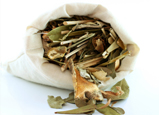
Herbs Herbs may be used as dried extracts (capsules, powders, teas), glycerites (glycerine extracts), or tinctures (alcohol extracts). Unless otherwise indicated, teas should be made with 1 tsp. herb per cup of hot water. Steep covered 5 to 10 minutes for leaf or flowers, and 10 to 20 minutes for roots. Drink 2 to 4 cups per day.
Some herbs have a stronger hypotensive (lowering) effect but may also have toxic side effects. These herbs must be used under the supervision of a qualified practitioner: Lily of the valley (Convallaria majalis), night-blooming cereus (Cactus grandifloris), mistletoe (Viscum album), motherwort (Leonorus cardiaca), and Indian tobacco (Lobelia inflata). Combine three to four of these herbs with equal parts of cramp bark and valerian and take 30 to 60 drops three times per day. Homeopathy Homeopathy may be useful as a supportive therapy. Acupuncture Acupuncture may help reduce blood pressure and alleviate stress. Massage Therapeutic massage may be effective in reducing the effects of stress, helping relaxation, and lowering blood pressure. Following Up Even if you need medication, you will benefit from increased exercise, changes in your diet, and stopping smoking and drinking alcohol. Special Considerations Tell your health care provider if you are pregnant, because certain blood pressure medications should not be used in pregnancy. Supporting Research Barker LR, Burton JR et al, eds. Principles of Ambulatory Medicine. 4th ed. Baltimore, Md: Williams & Wilkins; 1995:803–843. Bartram T. Encyclopedia of Herbal Medicine. Dorset, England: Grace Publishers; 1995:240. Dambro MR. Griffith's 5 Minute Clinical Consult 1999. Baltimore, Md: Lippincott Williams & Wilkins; 1999. Detre Z, Jellinek H, Miskulin R. Studies on vascular permeability in hypertension. Clin Physiol Bichem. 1986;4:143–149. Golik A, Zaidenstein R, Dishi V, et al. Effects of captopril and enalapril on zinc metabolism in hypertensive patients. J Am Coll Nutri. 1998;17:75–78. Kwan CY. Vascular effects of selected antihypertensive drugs derived from traditional medicinal herbs. Clin Exp Pharmacol Physiol. 1995;(suppl 1):S297–S299. Review. Liva R. Naturopathic specific condition review: hypertension. Protocol Journal of Botanical Medicine. 1995;1:222. Murray MT. The Healing Power of Herbs. Rocklin, Calif: Prima Publishing; 1991:90–96, 107–112. Murray MT, Pizzorno JE. Encyclopedia of Natural Medicine. 2nd ed. Rocklin, Calif.:Prima Publishing; 1998. Stein JH, ed. Internal Medicine. 4th ed. St. Louis, Mo: Mosby-Year Book; 1994:302–323. Werbach M. Nutritional Influences on Illness. New Canaan, Conn: Keats Publishing; 1988:227–240. The fifth report of the joint national committee on detection, evaluation, and treatment of high blood pressure. Arch Intern Med. 1993;153:154.
Copyright © 2000 Integrative Medicine Communications The publisher does not accept any responsibility for the accuracy of the information or the consequences arising from the application, use, or misuse of any of the information contained herein, including any injury and/or damage to any person or property as a matter of product liability, negligence, or otherwise. No warranty, expressed or implied, is made in regard to the contents of this material. No claims or endorsements are made for any drugs or compounds currently marketed or in investigative use. This material is not intended as a guide to self-medication. The reader is advised to discuss the information provided here with a doctor, pharmacist, nurse, or other authorized healthcare practitioner and to check product information (including package inserts) regarding dosage, precautions, warnings, interactions, and contraindications before administering any drug, herb, or supplement discussed herein. |



















