ALTERNATIVE DOCTOR, LLC



|
ALTERNATIVE DOCTOR, LLC
|
|
GOLDENSEAL
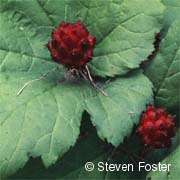
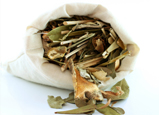
Goldenseal was originally introduced to early American settlers by Native American tribes, who used it as a yellow dye, as well as a wash for skin diseases, sore eyes, and various forms of "catarrh" (colds and flu, for example). Goldenseal may help the symptoms of sore mouth, sore throat, canker sores, gingivitis (infected gums); stomachache, diarrhea, indigestion, constipation, and ulcers; colds and flu; vaginal irritation; earaches; mild conjunctivitis ("pink eye") or other eye irritations. (See your health care provider if eye irritation continues for more than a few days, or if it is severe.) Goldenseal may also be useful for disinfecting cuts, scrapes, boils, and acne; and for lowering high blood sugar levels (hyperglycemia), which may lead to diabetes. Plant Description Goldenseal is a small plant with a single hairy stem. It has two five-lobed, jagged leaves, small flowers, and raspberry-like fruit. The bitter-tasting rhizome, or root, is a bright yellow-brown in color, twisted, and wrinkled. Goldenseal can be found growing wild in rich, shady soil in the northern U.S., but is now grown mostly on farms. What's It Made Of? Goldenseal contains a compound called berberine that kills many of the bacteria that cause diarrhea. Berberine has also been shown to kill a wide range of other types of germs, such as those that cause yeast infections, as well as various parasites such as tapeworms and giardia. Berberine may also activate your white blood cells, making them more effective at fighting infection. For these reasons, it is used as an all-around disinfectant, both externally and internally. Goldenseal also stimulates the production of bile, a fluid produced by your liver that helps digest fats. Goldenseal is used as a healing tonic for the digestive tract, and is considered helpful for easing chronic constipation, and hemorrhoids. Available Forms Goldenseal is available as tablets (various concentrations), powdered root in capsules (various concentrations), alcoholic tinctures, and low-alcohol extracts. How to Take It
Precautions
Possible Interactions There have been reports of goldenseal reducing the effectiveness of antibiotics, specifically tetracycline and tetracycline-derivatives like doxycycline. If you are currently taking any of these antibiotics, you should consult your healthcare provider. Supporting Research Balch J, Balch P. Prescription for Nutritional Healing: A-to-Z Guide to Drug-Free Remedies Using Vitamins, Minerals, Herbs, & Food Supplements. New York, NY: Avery Publishing Group; 1990. Duke JA. Handbook of Phytochemical Constituents of GRAS Herbs and Other Economic Plants. Boca Raton, Fla: CRC Press; 1992. Foster S. Goldenseal. American Botanical Council: Botanical Series No. 309. Genest K, Hughes DW. Natural products in Canadian pharmaceuticals, Hydrastis canadensis. Can J Pharm Sci. 1969;4. Kaneda Y, Tanaka T, Saw T. Effects of berberine, a plant alkaloid, on the growth of anaerobic protozoa in axenic culture. Tokai J Exp Clin Med. 1990;15:417–423. Khin-Muang-U, Myo-Khin, Nyunt-Nyunt-Wai, et al. Clinical trial of berberine in acute watery diarrhea. Br Med J 1985; 291:1601-5. Mills SY. Dictionary of Modern Herbalism: A Comprehensive Guide to Practical Herbal Therapy. Rochester, Vt: Healing Arts Press; 1988. Nishino H, et al. Berberine sulfate inhibits tumor-promoting activity of teleocidin in two-stage carcinogenesis on mouse skin. Oncology. 1986;43:131–134. Rabbani GH, Butler T, Knight J, et al. Randomized controlled trial of berberine sulfate therapy for diarrhea due to enterotoxigenic Escherichia coli and Vibrio cholerae. J Infect Dis 1987; 155:979-84. Shideman FE. A review of the pharmacology and therapeutics of Hydrastis and its alkaloids, hydrastine, berberine and canadine. Comm on Nat Formulary Bull. 1950;18:3–19. Sun D, Courtney HS, Beachey EH. Berberine sulfate blocks adherence of Streptococcus pyogenes to epithelial cells, fibronectin, and hexadecane. Antimicrob Agents Chemother. 1988;32:1370–1374. Swanston-Flatt SK, et al. Evaluation of traditional plant treatments for diabetes: studies in streptozotocin diabetic mice. Acta Diabetol Lat. 1989;26:51–55. Zhu B, Ahrens FA. Effect of berberine on intestinal secretion mediated by Escherichia coli heat-stable enterotoxin in jejunum of pigs. Am J Vet Res. 1982; 43:1594–1598.
Copyright © 2000 Integrative Medicine Communications The publisher does not accept any responsibility for the accuracy of the information or the consequences arising from the application, use, or misuse of any of the information contained herein, including any injury and/or damage to any person or property as a matter of product liability, negligence, or otherwise. No warranty, expressed or implied, is made in regard to the contents of this material. No claims or endorsements are made for any drugs or compounds currently marketed or in investigative use. This material is not intended as a guide to self-medication. The reader is advised to discuss the information provided here with a doctor, pharmacist, nurse, or other authorized healthcare practitioner and to check product information (including package inserts) regarding dosage, precautions, warnings, interactions, and contraindications before administering any drug, herb, or supplement discussed herein. |