ALTERNATIVE DOCTOR, LLC



|
ALTERNATIVE DOCTOR, LLC
|
|
GINKO BILOBA
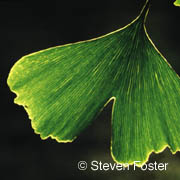
More than 400 published studies have been done on Ginkgo Biloba extract (GBE), making it one of the best researched of all herbal medicines. In Germany and France it is the most frequently prescribed herbal medicine and is in the top five of all prescriptions written in those countries. GBE is a powerful aid to circulatory problems, particularly a lack of blood to the brain, which causes memory loss, vertigo, tinnitus, disorientation, headaches, and depression, especially in the elderly. It has strong antioxidant properties as well, protecting both the central nervous system and the cardiovascular system from damage and the effects of aging. GBE improves blood circulation by strengthening blood vessels and reducing the stickiness of blood platelets, which can help blood circulate more easily, even when atherosclerosis (hardening of the arteries) is present. This not only helps improve blood flow to the brain, but it also increases blood flow to the limbs and can help prevent or treat heart disease and stroke. It is also used effectively to help prevent mental deterioration for those approaching old age. In a few small studies, GBE seemed to slow and even stop the progress of Alzheimer's disease, particularly in the early stages. Recent studies have also shown that GBE may reduce impotence caused by impaired blood flow. It also may help reduce certain premenstrual symptoms, specifically fluid retention. Plant Description Ginkgo biloba is the oldest living tree species. It is amazingly adaptable, surviving even the Ice Age and the atomic bomb that destroyed Hiroshima. A single tree can live as long as 1,000 years and grow to a height of 120 feet. It has short branches with fan-shaped leaves and produces inedible fruit that has a strong odor. The fruit contains an edible inner seed. Although Chinese herbal medicine has used both the ginkgo leaf and seed for centuries, modern research has focused on the standardized Ginkgo biloba extract (GBE), which is produced from the leaves. This extract is highly concentrated and much more effective than any other product made from the leaves. What's It Made Of? Ginkgo biloba is made up of ginkgo flavone glycosides, several terpene molecules unique to ginkgo (ginkgolides and bilobalide), and organic acids. The special terpene molecules are thought to give Ginkgo biloba its ability to fight many of the effects of aging. This includes improving blood circulation, reducing inflammation, and protecting brain cells from damage caused by lack of oxygen. Available Forms Ginkgo biloba extract standardized to contain 24 percent ginkgo flavone glycosides (50:1 extract) and 6 percent terpene lactones. (There are several different brands of GBE available in the U.S.) Capsules and tincture are also available. How to Take It GBE repairs much of the damage that aging inflicts, particularly on the circulatory and nervous systems. It can also strengthen blood vessels. As a result, GBE is most often recommended for older people suffering from signs of dementia, such as disorientation, memory loss, headaches, depression, vertigo, and tinnitus. Your health care provider will determine that these conditions are related to lack of blood flow to the brain and not another condition before recommending GBE. Patients suffering from leg cramps resulting from poor circulation have also seen good results with GBE. Because GBE strengthens and protects the circulatory and nervous systems, it can be also taken to help prevent heart disease, stroke, and the onset of dementia. Initial results often take four to six weeks, but should continue to accumulate beyond that period. You may not see any dramatic changes for six months.
Precautions GBE is very safe and side effects are rare. In a few cases, gastrointestinal upset, headaches, and dizziness were reported. GBE does not appear to alter heart rate and blood pressure or to change cholesterol and triglyercide levels. Because it decreases platelet aggregation (stickiness), there is some concern that ginkgo may increase risk of intracranial (brain) hemorrhage. Use with caution in conjunction with other blood-thinning agents (for example, Coumadin). Do not handle or ingest the fruit of Ginkgo biloba. The German Commission E reports that a hypersensitivity to Ginkgo biloba preparations is the only known reason not to take GBE. If you are pregnant, you should exercise caution since there is a lack of data concerning showing GBE's effect during pregnancy. Do not give GBE to infants or children. Possible Interactions Ginkgo has blood-thinning properties and, therefore, should not be used if you are taking anticoagulant (blood-thinning) medications, like aspirin or warfarin. Supporting Research Bauer U. Six-month double-blind randomized clinical trial of Ginkgo biloba extract versus placebo in two parallel groups of patients suffering from peripheral arterial insufficiency. Arzneimittelforschung. 1984;34:716–720. Blumenthal M, ed. The Complete German Commission E Monographs: Therapeutic Guide to Herbal Medicines. Boston, Mass: Integrative Medicine Communications; 1998. Brinker F. Herb Contraindications and Drug Interactions. 2nd ed. Sandy, Ore: Eclectic Medical; 1998:76-77. Brown D. Herbal Prescriptions for Better Health. Rocklin, Calif: Prima Publishing; 1996. Carper J. Miracle Cures. New York, NY: HarperCollins, 1997. Castelli D, Colin L, Camel E, et al. Pretreatment of skin with a Ginkgo biloba extract/sodium carboxymethyl-b-1,3-glucan formulation appears to inhibit the elicitation of allergic contact dermatitis in man. Contact Dermatitis. 1998;38(3):123–126. Chung KF, McCusker M, Page CP, et al. Effect of a ginkgoloide mixture (BN52063) in antagonizing skin and platelet responses to platelet-activating factor in man. Lancet. 1987;1(1):248–250. Cupp MJ. Herbal remedies: adverse effects and drug interactions. Am Fam Physician. 1999;59(5):1239–1244. DeSmet PAGM, Keller K, Hänsel R, Chandler RF, eds. Adverse Effects of Herbal Drugs. Berlin, Germany: Springer-Verlag; 1997. Kinghorn, A., Ed. Human Medicinal Agents from Plants. Washington, DC: American Chemical Society, 1993. Le Bars PL, Katz MM, Berman N, Itil TM, Freedman AM, Schatzberg AF. A placebo-controlled, double-blind, randomized trial of an extract of Ginkgo biloba for dementia. JAMA. 1997;278:1327–1332. Mashour NH, Lin GI, Frishman WH. Herbal medicine for the treatment of cardiovascular disease. Arch Intern Med. 1998;158(9):2225–2234. McGuffin M, Hobbs C, Upton R, et al, eds. Botanical Safety Handbook. Boca Raton, Fla: CRC Press; 1997. Miller LC. Herbal medicinals: selected clinical considerations focusing on known or potential drug-herb interactions. Arch Intern Med. 1998;158(9):2200–2211. Murray M. The Healing Power of Herbs: The Enlightened Person's Guide to the Wonders of Medicinal Plants. 2nd ed. Rocklin, Calif: Prima Publishing; 1995. Newall C, et al. Herbal Medicines: A Guide for Health-care Professionals. London, England: Pharmaceutical Press; 1996. Peters H, Kieser M, Holscher U. Demonstration of the efficacy of Ginkgo biloba special extract Egb 761 on intermittent claudication a placebo-controlled, double-blind trial. Vasa. 1998;27:105–110. Ramassamy C, Christen Y, Clostre F, et al. The Ginkgo biloba extract, EGB761, increases synaptosomal uptake of 5-hydroxytryptamine in-vitro and ex-vivo studies. J Pharm Pharmacol. 1992;44:943–945. Ramassamy C, Clostre F, Christen Y, et al. Prevention by Ginkgo biloba extract (GBE761) of the dopaminergic neurotoxicity of MPTP. J Pharm Pharmacol. 1990; 42:785–789. Rosenblatt M, Mindel J. Spontaneous hyphema associated with ingestion of Ginkgo biloba extract. N Engl J Med. 1997;336:1108. Rowin J, Lewis SL. Spontaneous bilateral subdural hematomas associated with chronic ginkgo. Neurol. 1996;46:1775–1776. Schulz V, Hänsel R, Tyler VE. Rational Phytotherapy: A Physicians' Guide to Herbal Medicine. Berlin, Germany: Springer-Verlag; 1998. Sikora R, Sohn M, Deutz F-J, et al. Ginkgo biloba extract in the therapy of erectile dysfunction. J Urol. 1989;141:188A. Vorberg G. Ginkgo biloba extract (GBE): a long-term study of chronic cerebral insufficiency in geriatric patients. Clin Trials. 1985;22(2):149–157. al-Zuhair H, Abd el-Fattah A, el-Sayed MI. The effect of meclofenoxate with Ginkgo biloba extract or zinc on lipid peroxide, some free radical scavengers, and the cardiovascular system of aged rats. Pharmacol Res. 1998;38(1):65–72.
Copyright © 2000 Integrative Medicine Communications The publisher does not accept any responsibility for the accuracy of the information or the consequences arising from the application, use, or misuse of any of the information contained herein, including any injury and/or damage to any person or property as a matter of product liability, negligence, or otherwise. No warranty, expressed or implied, is made in regard to the contents of this material. No claims or endorsements are made for any drugs or compounds currently marketed or in investigative use. This material is not intended as a guide to self-medication. The reader is advised to discuss the information provided here with a doctor, pharmacist, nurse, or other authorized healthcare practitioner and to check product information (including package inserts) regarding dosage, precautions, warnings, interactions, and contraindications before administering any drug, herb, or supplement discussed herein |