ALTERNATIVE DOCTOR, LLC



|
ALTERNATIVE DOCTOR, LLC
|
|
Food Allergy As many as two out of five Americans believe that they have allergies to certain foods. In fact, fewer than 2 percent have true food allergies. A food allergy occurs when the body's immune system reacts to otherwise harmless proteins in certain foods. While most food allergies are mild, in some cases they can cause anaphylactic shock, a serious, sometimes life-threatening, reaction. Food allergies affect mostly young children. With the exception of peanut allergy, the majority of children outgrow their allergic sensitivities. Signs and Symptoms
The following symptoms should be treated as a medical emergency.
What Causes It? The foods that most commonly cause allergic reactions are peanuts, tree nuts (walnuts, pecans, almonds), milk, eggs, soy, fish, shellfish, and wheat. In most cases, allergies occur when an individual who has a genetic sensitivity to certain allergens is exposed to the substance. What to Expect at Your Provider's Office Your health care provider may use one or more of the following tests.
Treatment Options Treatment Plan There is no cure for food allergies. Treatment includes avoiding the foods that cause your allergy and treating symptoms when they occur. Antihistamines can relieve mild itching, swelling, rash, runny nose, and headache caused by food allergies. The most serious allergic reaction is anaphylactic shock. It usually requires an injection of epinephrine. If you have a history of anaphylactic shock, you should keep a preloaded syringe of epinephrine with you at all times. Drug Therapies Prescription
Over the Counter
Complementary and Alternative Therapies Alternative therapies reduce inflammation, minimize hypersensitivity reactions, and heal the digestive tract. Nutrition Note: Lower doses are for children.
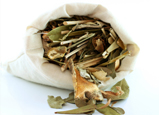
Herbs Herbs may be used as dried extracts (capsules, powders, teas), glycerites (glycerine extracts), or tinctures (alcohol extracts). Unless otherwise indicated, teas should be made with 1 tsp. herb per cup of hot water. Steep covered 5 to 10 minutes for leaf or flowers, and 10 to 20 minutes for roots. Drink 2 to 4 cups per day.
Homeopathy Homeopathy may be useful as a supportive therapy. Acupuncture Acupuncture may help restore normal immune function. Massage Therapeutic massage may help reduce the effects of stress. Special Considerations If you have allergies, there is a greater likelihood that your baby will develop food allergies. Studies show that breastfeeding can delay development of food allergies. Supporting Research American College of Allergy, Asthma and Immunology. Accessed at www.allergy.mcg.edu on January 1, 1999. Carey CF, Lee HH, Woeltje KF, eds. The Washington Manual of Medical Therapeutics. 29th ed. New York, NY: Lippincott-Raven; 1998:216–271, 223–225. Dambro MD. Griffith's 5 Minute Clinical Consult. Philadelphia, Pa: Williams & Wilkins; 1998:400–401. Fauci AS, Braunwald E, Isselbacher KJ et al, eds. Harrison's Principles of Internal Medicine. 14th ed. St. Louis, Mo: McGraw-Hill; 1997. The Food Allergy Network. Accessed at www.foodallergy.org/ on January 1, 1999. Klag MJ, ed. Johns Hopkins Family Health Book. Harper Resource; 1998. Murray MT. Encyclopedia of Nutritional Supplements. Rocklin, Calif: Prima Health;1996:448–449. Murray MT, Pizzorno JE. Encyclopedia of Natural Medicine. Rocklin, Calif: Prima Publishing; 1991:321. Murray MT, Pizzorno JE. Encyclopedia of Natural Medicine. 2nd ed. Rocklin, Calif: Prima Publishing; 1998:464–475. National Institute of Allergy and Infectious Diseases. National Institute of Health. Accessed at www.niaid.nih.gov/ on January 1, 1999. Sampson HA. Food allergy. JAMA. 1997; 278:1888–1894. Werbach M. Nutritional Influences on Illness. New Canaan, Conn: Keats Publishing Inc; 1987:23–28.
Copyright © 2000 Integrative Medicine Communications The publisher does not accept any responsibility for the accuracy of the information or the consequences arising from the application, use, or misuse of any of the information contained herein, including any injury and/or damage to any person or property as a matter of product liability, negligence, or otherwise. No warranty, expressed or implied, is made in regard to the contents of this material. No claims or endorsements are made for any drugs or compounds currently marketed or in investigative use. This material is not intended as a guide to self-medication. The reader is advised to discuss the information provided here with a doctor, pharmacist, nurse, or other authorized healthcare practitioner and to check product information (including package inserts) regarding dosage, precautions, warnings, interactions, and contraindications before administering any drug, herb, or supplement discussed herein |



















