ALTERNATIVE DOCTOR, LLC



|
ALTERNATIVE DOCTOR, LLC
|
|
Diabetes Mellitus Diabetes mellitus results when your body doesn't adequately regulate the sugar levels in your blood. More than a half million new cases are diagnosed in the U.S. each year. Up to 50 percent of the people who have diabetes do not know it. It affects people of all ages, races, and income levels. There are two major forms. Type 1 (insulin-dependent diabetes mellitus [IDDM]) usually occurs before age 30. Only about 10 percent of diabetes cases are type 1. Type 2 (non-insulin-dependent diabetes mellitus [NIDDM]) usually occurs over age 40 and accounts for about 90 percent of cases. Signs and Symptoms
What Causes It? You are more likely to have type 1 diabetes if you have a family history of diabetes, thyroid disease, other endocrine diseases, or an autoimmune disease. Drinking cow's milk in infancy has been linked to juvenile diabetes. The following factors put you more at risk for type 2 diabetes.
What to Expect at Your Provider's Office Your health care provider will take a blood test to measure your blood sugar level. He or she may talk to you about starting an exercise program and changing your diet. Treatment Options Treatment Plan Your health care provider will create a treatment plan for you. The plan will include a modified diet and a regular exercise program. You will learn how to use a home glucose meter to monitor your blood sugar (glucose) level. You may need to adjust your blood sugar level with diet, exercise, an oral hypoglycemic medication, or insulin injections. Insulin is a substance that is produced by the body that helps regulate blood sugar. Drug Therapies Prescription
Over the Counter N/A Complementary and Alternative Therapies Alternative therapies can play an important role in preventing some of the serious complications that may be caused by diabetes. A combination of herbs and nutrition can be quite helpful. Regular exercise is very important. Nutrition
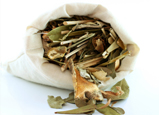
Herbs Herbs may be used as dried extracts (capsules, powders, teas), glycerites (glycerine extracts), or tinctures (alcohol extracts). Unless otherwise indicated, teas should be made with 1 tsp. herb per cup of hot water. Steep covered 5 to 10 minutes for leaf or flowers, and 10 to 20 minutes for roots. Drink 2 to 4 cups per day. Tinctures may be used alone or in combination as noted. Herbs for diabetes include the following.
Bilberry and fenugreek, equal parts, can be used as 1 cup tea three times per day, or 30 to 60 drops tincture three times per day. Cayenne (Capsicum annum): 0.075 percent capsaicin cream on the skin can decrease pain from nerve damage in two to four weeks. Homeopathy Homeopathy may be useful as a supportive therapy. Acupuncture Acupuncture can relieve your symptoms and increase your vitality. Massage Massage may be helpful in relieving stress, which can stabilize your blood sugar level, and maintain healthy circulation. Following Up Successful treatment of diabetes requires working with your provider. Special Considerations Glucose control is important before becoming pregnant. Do not take oral hypoglycemic medicines during pregnancy. In addition, gestational diabetes can occur during pregnancy and cause complications if left untreated. Gestational diabetes usually goes away after the baby is born. Supporting Research Anderson RA, Cheng N, Bryden NA, et al. Elevated intakes of supplemental chromium improve glucose and insulin variables in individuals with type 2 diabetes. Diabetes. 1997;46:1786–1791. Blumenthal M, ed. The Complete German Commission E Monographs. Boston, Mass: Integrative Medicine Communications; 1998:134, 176. Boden G, Chen X, Igbal N. Acute lowering of plasma fatty acids lowers basal insulin secretion in diabetic and nondiabetic subjects. Diabetes. 1998;47:1609–1612. Cohen N, Halberstam M, Shlimovich P, Chang CJ, Shamoon H, Rossetti L. Oral vanadyl sulfate improves hepatic and peripheral insulin sensitivity in patients with with non-insulin-dependent diabetes mellitus. J Clin Invest. 1995;95:2501–2509. Gruenwald J, Brendler T, Jaenicke C, et al, eds. PDR for Herbal Medicines. Montvale, NJ: Medical Economics Company; 1998:1201. Hirsch IB, Atchley DH, Tsai E, et al. Ascorbic acid clearance in diabetic nephropathy. J Diabet Complications. 1998;12:259–263. Koutsikos D, Agroyannis B, Tzanatos-Exarchou H. Biotin for diabetic peripheral neuropathy. Biomed Pharmacother. 1990;44:511–514. Noble J. Textbook of Primary Care Medicine. 2nd ed. St Louis, Mo: Mosby-Year Book; 1996. Perossini M, et al. Diabetic and hypertensive retinopathy therapy with Vaccinum myrtillus anthocyanosides (Tegens): double blind placebo controlled clinical trial. Annali di Ottalmaologia e Clinica Ocaulistica. 1987;CXII. Poucheret P, Verma S, Grynpas MD, McNeill JH. Vanadium and diabetes. Mol Cell Biochem. 1998;188:73–80. Tandan R, et al. Topical capsaicin in painful diabetic neuropathy. Controlled study with long-term follow-up. Diabetes Care. 1992;15:8–14. Thibodeau GA, Patton KT. Anatomy and Physiology. 4th ed. St Louis, Mo: Mosby-Year Book; 1999. Tierney Jr LM, McPhee SJ, Papadakis MA, eds. Current Medical Diagnosis and Treatment. 33rd ed. Norwalk, Conn: Appleton & Lange; 1994. Ziegler D, Hanefeld M, Ruhnau KJ, et al. Treatment of symptomatic diabetic peripheral neuropathy with the anti-oxidant slpha-lipoc acid. A 3-week randomized controlled trial. Diabetologia. 1995;38:1425–1433. Ziegler D, Schatz H, Conrad F, Gries FA, Ulrich H, Reichel G. Effects of treatment with the antioxidant alpha-lipoic acid on cardiac autonomic neuropathy in NIDDM patients. A 4-month randomized controlled multicenter trial. Diabetes Care. 1997;20:369–373.
Copyright © 2000 Integrative Medicine Communications The publisher does not accept any responsibility for the accuracy of the information or the consequences arising from the application, use, or misuse of any of the information contained herein, including any injury and/or damage to any person or property as a matter of product liability, negligence, or otherwise. No warranty, expressed or implied, is made in regard to the contents of this material. No claims or endorsements are made for any drugs or compounds currently marketed or in investigative use. This material is not intended as a guide to self-medication. The reader is advised to discuss the information provided here with a doctor, pharmacist, nurse, or other authorized healthcare practitioner and to check product information (including package inserts) regarding dosage, precautions, warnings, interactions, and contraindications before administering any drug, herb, or supplement discussed herein. |



















