ALTERNATIVE DOCTOR, LLC



|
ALTERNATIVE DOCTOR, LLC
|
|
DANDELION
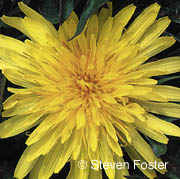
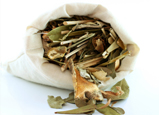
You may think of dandelion (Taraxacum officinale) as just a bright yellow common weed overtaking your lawn, but this plant has long been heralded in the East and West for its culinary and medicinal value. The use of dandelion, most often as a diuretic (a substance that promotes excretion of salts and water from the kidney) or weight-loss agent, has played a role in traditional, Chinese, and herbal medicine for centuries. Dandelion leaves contain the highest vitamin A content of all greens, and are rich, as well, in vitamin C. You can eat the young leaves fresh in salads or sandwiches, or use herbal preparations that contain them. Some wines, beers, and coffee substitutes are made from dandelion. Plant Description Hundreds of subspecies of dandelion grow in the temperate regions of Europe, Asia, and North America. Dandelion is a hardy, variable perennial that can grow to a height of nearly 12 inches. Its short root divides at the crown into a tapered, multi-headed taproot. Dandelions have a distinctive rosette of deeply notched, toothy, spatula-like leaves that are shiny and hairless. Each rosette is capped by a head of composite bright yellow flowers. The grooved leaves funnel the flow of rainfall into the tapered root. Dandelion flowers are light-sensitive, characteristically opening in the morning and closing in the evening and during gloomy weather. The roots are fleshy and brittle, with a dark brown exterior, and filled with a white milky latex that is bitter and slightly odorous. Parts Used Dandelion leaves produce a diuretic effect, which may aid weight loss, while the roots act as an appetite stimulant and digestive aid. Medicinal Uses/Indications Dandelion is a natural diuretic and weight loss agent, increasing urine production by promoting the excretion of salts and water from the kidney. Dandelion may be used for a wide range of conditions requiring mild diuretic treatment, such as poor digestion, liver and gallbladder disorders, high blood pressure, and congestive heart failure. One advantage of dandelion over other diuretics is that dandelion is a source of potassium, a nutrient often lost through diuretic use. Available Forms Dandelion is available in a variety of forms, including tinctures, prepared tea, capsules, and dried or fresh leaves or roots. How to Take It You may use dandelion in its variety of available forms. Recommended doses are:
Precautions Dandelion is generally considered safe even in large quantities. You can use dandelion for an unlimited duration. Some individuals, however, may develop allergic reactions from touching dandelion, and others may develop mouth sores. People with health conditions involving bile (a thick fluid secreted by the liver that helps with digestion) and gallstones should consult a health care provider before eating dandelion. Possible Interactions Avoid using dandelion if you are taking lithium. The diuretic properties of dandelion may lower sodium levels and cause your lithium levels to increase to a level that is toxic. Likewise, dandelion could interact with other diuretics and alter the blood pressure-lowering effects of these medications. Consult your health care provider before using dandelion with diuretic medications. Supporting Research Akhtar M, Khan Q, Khaliq T. Effects of Portulaca oleraceae (kulfa) and Taraxacum officinale (dhudhal) in normoglycaemic and alloxan-treated hyperglycaemic rabbits. J Pakistan Med Assoc. 1985;35:207-201. Baba K, Abe S, Mizuno D. Antitumor activity of hot water extract of dandelion, Taraxacum officinale-correlation between antitumor activity and timing of administration [in Japanese]. Yakugaku Zasshi. 1981;101(ISS 6):538-43. Blumenthal M, ed. The Complete German Commission E Monographs. Boston, Mass: Integrative Medicine Communications; 1998:118-120. Brinker F. Herb Contraindications and Drug Interactions. 2nd ed. Sandy, Ore: Eclectic Medical; 1998. Davies MG, Kersey PJ. Contact allergy to yarrow and dandelion. Contact Dermatitis. 1986;14 (ISS 4):256-7. Dorland's Illustrated Medical Dictionary. 25th ed. Philadelphia, Pa: W.B. Saunders; 1974. Grieve M. A Modern Herbal. Vol. I. New York, NY: Dover; 1971:249-255. Gruenwald J, Brendler T, Jaenicke C. PDR for Herbal Medicines. Montvale, NJ: Medical Economics Company; 1998:1174-76. Hobbs C. Taraxacum officinale: A monograph and literature review. In: Eclectic Dispensatory. Portland, Ore: Eclectic Medical Publications; 1989. Mascolo N, et al. Biological screening of Italian medicinal plants for anti-inflammatory activity. Phytotherapy Res 1987:28-29. Miller L. Herbal Medicinals: Selected Clinical Considerations Focusing on Known or Potential Drug-Herb Interactions. Arch Intern Med. 1998;158:2200-2211 Murray MT. The Healing Power of Herbs. 2nd ed. Rocklin, Calif: Prima Publishing; 1995: 86-91. Newall C, Anderson L, Phillipson J. Herbal Medicines: A Guide for Health-care Professionals. London, England: Pharmaceutical Press; 1996:96-97. Racz-Kotilla E, Racz G, Solomon A. The action of Taraxacum officinale extracts on the body weight and diuresis of laboratory animals. Planta Med. 1974;26: 212-217. Tyler V. The Honest Herbal: A Sensible Guide to the Use of Herbs and Related Remedies. 3rd ed. New York, NY: Pharmaceutical Products Press; 1993:109-110. Yamashita K, Kawai K, Itakura M. Effects of fructooligosaccharides on blood glucose and serum lipids in diabetic subjects. Nutr Res. 1984;4:491-496.
Copyright © 2000 Integrative Medicine Communications The publisher does not accept any responsibility for the accuracy of the information or the consequences arising from the application, use, or misuse of any of the information contained herein, including any injury and/or damage to any person or property as a matter of product liability, negligence, or otherwise. No warranty, expressed or implied, is made in regard to the contents of this material. No claims or endorsements are made for any drugs or compounds currently marketed or in investigative use. This material is not intended as a guide to self-medication. The reader is advised to discuss the information provided here with a doctor, pharmacist, nurse, or other authorized healthcare practitioner and to check product information (including package inserts) regarding dosage, precautions, warnings, interactions, and contraindications before administering any drug, herb, or supplement discussed herein. |