ALTERNATIVE DOCTOR, LLC



|
ALTERNATIVE DOCTOR, LLC
|
|
Constipation Constipation is a condition that causes you to have difficulty passing stools. Normally, people have anywhere from two or three bowel movements a week to two or three a day. Constipation can occur at any age, but it is more frequent in infancy and old age. Signs and Symptoms
What Causes It? Most cases of constipation are caused by changes in diet or physical activity, including not drinking enough fluids. Psychological factors, particularly depression, may cause constipation. Chronic abuse of laxatives can also lead to chronic constipation. Certain drugs can cause it, as can physical abnormalities in the bowel or intestinal tract. What to Expect at Your Provider's Office Your health care provider will perform a physical exam and may feel your abdomen or give you a rectal examination. You may have tests on your blood and stool, or a barium enema. Treatment Options Treatment Plan First, your health care provider will treat any underlying disease or food allergy. Dietary changes, extra fluid intake, and exercise all help to prevent constipation. Short-term use of a laxative or stool softener may be helpful. Your provider also may talk with you about proper bowel habits. It is important to have a regular daily routine. Leave plenty of time for a bowel movement shortly after a mealtime. Drug Therapies Prescription N/A Over the Counter
Complementary and Alternative Therapies Lifestyle and dietary changes along with nutritional support can contribute to the long-term resolution of constipation. You can use herbs to help tone and strengthen bowel function. Use laxative herbs with caution because they may become less effective with habitual use. Nutrition
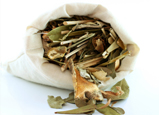
Herbs Herbs may be used as dried extracts (capsules, powders, teas), glycerites (glycerine extracts), or tinctures (alcohol extracts). Unless otherwise indicated, teas should be made with 1 tsp. herb per cup of hot water. Steep covered 5 to 10 minutes for leaf or flowers, and 10 to 20 minutes for roots. Drink 2 to 4 cups a day. Tinctures may be used singly or in combination as noted. A combination of herbs to tone digestion and relieve constipation includes the following in equal parts as a tea or tincture: licorice root (Glycyrrhiza glabra), cascara sagrada (Rhamnus purshiana), dandelion root (Taraxacum officinalis), yellow dock (Rumex crispus), fennel seed (Foeniculum vulgare), and ginger (Zingiber officinalis). Steep tea for 20 minutes. Drink 1 cup, three times a day, before meals. You may take 15 to 20 drops of a tincture, three times a day, before meals. For long-term use (more than two weeks), eliminate cascara and substitute burdock (Arctium lappa). Do not take licorice if you have high blood pressure. Homeopathy Some of the most common remedies used for constipation are listed below. Usually, the dose is 12X to 30C every one to four hours until your symptoms get better.
Physical Medicine Castor oil packs to the abdomen may be useful in resolving constipation. Apply oil directly to skin, cover with a clean, soft cloth (for example, flannel) and plastic wrap. Place a heat source (hot water bottle or heating pad) over the pack and let sit for 30 to 60 minutes. For best results, use for three consecutive days in one week. Contrast hydrotherapy may help to tone and strengthen bowel function. Apply hot and cold towels to the abdomen. Alternate three minutes hot with one minute cold and repeat three times. This is one set. Do two to three sets a day. Acupuncture Acupuncture can stimulate and tone digestive function. Massage Therapeutic massage can help reduce stress and relieve constipation due to spasm and nervous tension. Following Up If you have chronic constipation, you may need to work regularly with your provider. Left untreated, it can cause serious health problems. Special Considerations Constipation is common in pregnancy and is usually relieved by changing your diet and drinking more water. If you are pregnant, do not take herbs that are stimulating to the digestive tract since they can induce contractions. Do not use laxative herbs in pregnancy without a provider's supervision. Supporting Research Andreoli TE, Bennett JC, Carpenter CCJ. Cecil Essentials of Medicine. 3rd ed. Philadelphia, Pa: WB Saunders; 1993. Ashraf W, Park F, Lof J, Quigley EM. Effects of psyllium therapy on stool characteristics, colon transit and anorectal function in chronic idiopathic constipation. AlimentPharmacol Ther. 1995;9:639–647. Barker LR, Burton JR, Zieve PD, eds. Principles of Ambulatory Medicine. 4th ed. Baltimore, Md: Williams & Wilkins; 1995:476–491. Dambro MR. Griffith's 5 Minute Clinical Consult 1999. Baltimore, Md: Lippincott Williams & Wilkins; 1999. Hobbs C. Foundations of Health: The Liver and Digestive Herbal. Capitola, Calif: Botanica Press; 1992:129–135. McRorie JW, Daggy BP, Morel JG, Diersing PS, Miner PB, Robinson M. Psyllium is superior to docusate sodium for treatment of chronic constipation. Aliment Pharmacol Ther. 1998;12:491–497. Morrison R. Desktop Guide to Keynotes and Confirmatory Symptoms. Albany, Calif: Hahnemann Clinic Publishing; 1993:85, 274, 281, 350. Stein JH, ed. Internal Medicine. 4th ed. St. Louis, Mo: Mosby-Year Book; 1994.
Copyright © 2000 Integrative Medicine Communications The publisher does not accept any responsibility for the accuracy of the information or the consequences arising from the application, use, or misuse of any of the information contained herein, including any injury and/or damage to any person or property as a matter of product liability, negligence, or otherwise. No warranty, expressed or implied, is made in regard to the contents of this material. No claims or endorsements are made for any drugs or compounds currently marketed or in investigative use. This material is not intended as a guide to self-medication. The reader is advised to discuss the information provided here with a doctor, pharmacist, nurse, or other authorized healthcare practitioner and to check product information (including package inserts) regarding dosage, precautions, warnings, interactions, and contraindications before administering any drug, herb, or supplement discussed herein. |



















