ALTERNATIVE DOCTOR, LLC



|
ALTERNATIVE DOCTOR, LLC
|
|
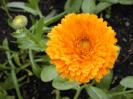
CALENDULA
Calendula (Calendula officinalis) is recognized for its antiseptic and anti-inflammatory properties. It is considered one of the most effective herbal remedies for skin problems, such as wounds, rashes, chapped hands, and infections. Calendula is also traditionally used to treat spasms, fever, suppressed menstruation, and other health conditions. Plant Description The calendula plant is grown throughout Europe, Western Asia, and the United States. Calendula is an annual (needs to be replanted each year) that thrives in any soil. Parts Used Dried flowers are the most important part of the calendula for medicinal purposes. Medicinal Uses/Indications Calendula is used to treat the following conditions and symptoms.
Available Forms Calendula is available in the following forms.
Calendula products should always be protected from light and moisture, and should not be stored for more than three years. How to Take It Recommended doses are as follows.
Precautions Frequent skin contact may result in sensitivity. Calendula is also known to affect the menstrual cycle and should not be used during pregnancy and breast-feeding. Possible Interactions Caution is advised when taking calendula (orally) with medications that have sedative effects because calendula may increase the effects of these substances. Examples of medications with sedative properties include most antihistamines and therapies for anxiety and insomnia. Supporting Research Blumenthal M, ed. The Complete German Commission E Monographs. Therapeutic Guide to Herbal Medicines. Boston: Integrative Medicine Communications; 1998: 100. Boucard-Maitre Y, et al. Cytotoxic and antitumoral activity if calendula officinalis extracts. Pharmazie. 1988; 43:220. Brinker F. Herb Contraindications and Drug Interactions. 2nd ed. Sandy, Ore: Eclectic Medical; 1998:46. Casley-Smith JR. The effect of "Unguentum lymphaticum" on acute experimental lymphedema and other high-protein edemas. Lymphology. 1983; 16:150-156. Dorland's Illustrated Medical Dictionary. 25th ed. Philadelphia: W.B. Saunders; 1974. Fleischner AM. Plant extracts: To accelerate healing and reduce inflammation. Cosmet Toilet. 1985; 100:45. Gracza L. Oxygen-containing terpene derivatives from Calendula officinalis. Planta Med. 1987; 53:227. Grieve M. A Modern Herbal. Vol. I. New York: Dover; 1971: 517-518. Gruenwald J, Brendler T, Christof J. PDR for Herbal Medicines. Montvale, NJ: Medical Economics Company; 1998: 704-706. Isaac O. Die Ringelblume. Botanik, Chemie, Pharmakologie, Toxikologie, Pharmazie und therapeutische Verwendung. Wissenschaftliche Verlagsgesellschaft mbH, Stuggart; 1992. Kalvatchev Z, Walder R, Garzaro D. Anti-HIV activity of extracts from Calendula officinalis flowers. Biomed Pharmacotherapy. 1997; 51(4):176-180. Kioucke-Popova, et al. Influence of the physiological regeneration and epithelization using fractions isolated from Calendula officinalis. Acta Physiol Pharmacol Bulg. 1982; 8:83-87. Newall C, Anderson L, Phillipson J. Herbal Medicines: A Guide for Health-care Professionals. London: Pharmaceutical Press; 1996: 58-59. Park JS, Chew BP, Wong TS. Dietary lutein from marigold extract inhibits mammary tumor development in BALB/c mice. J Nutr. Oct 1998; 128(10):1650-1656. Schulz V, Hansel R, Tyler V. Rational Phytotherapy: A Physician's Guide to Herbal Medicine. 3rd ed. Berlin: Springer; 1998: 259. Shipochliev T. Extracts from a group of medicinal plants enhancing the uterine tonus. Vet Med Nauki. 1981; 4: 94-98. Thomson WA. Medicines from the Earth: A Guide to Healing Plants. Alfred Van Der Marck ed. Maidenhead, England: McGraw-Hill Book company (UK); 1978: 61. Tyler V. The Honest Herbal: A Sensible Guide to the Use of Herbs and Related Remedies. 3rd ed. New York: Pharmaceutical Products Press; 1993: 75-76. Wagner H, et al. Immunostimulating polysaccharides (heteroglycans) of higher plants. Arzneimittelforsch. 1985; 35:1069.
Copyright © 2000 Integrative Medicine Communications The publisher does not accept any responsibility for the accuracy of the information or the consequences arising from the application, use, or misuse of any of the information contained herein, including any injury and/or damage to any person or property as a matter of product liability, negligence, or otherwise. No warranty, expressed or implied, is made in regard to the contents of this material. No claims or endorsements are made for any drugs or compounds currently marketed or in investigative use. This material is not intended as a guide to self-medication. The reader is advised to discuss the information provided here with a doctor, pharmacist, nurse, or other authorized healthcare practitioner and to check product information (including package inserts) regarding dosage, precautions, warnings, interactions, and contraindications before administering any drug, herb, or supplement discussed herein. |