ALTERNATIVE DOCTOR, LLC



|
ALTERNATIVE DOCTOR, LLC
|
|
BURDOCK
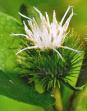
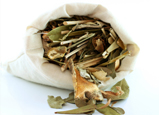
During the Middle Ages, English herbalists preferred burdock root over sarsaparilla in treating boils, scurvy, and rheumatism. Native American healers were quite fond of burdock as a medicinal plant. American herbalists have used the roots and seeds as a blood purifier and pain reliever for more than two centuries. Both the root and leaves are used in herbal remedies, but most recipes call for the root. Burdock is valued mainly as a treatment for arthritis, gout, and other inflammatory conditions. It is thought to help gout and rheumatism by stimulating the liver. Burdock is used as a diuretic, and it promotes perspiration, which make it effective in treating gout. Burdock has been used by herbalists worldwide to treat a variety of illnesses, including pneumonia, abscesses, acne, fever, dandruff, and throat infections, as well as inflammation. However, the evidence that burdock is effective in treating gout, arthritis, and skin diseases is mostly anecdotal. Plant Description Burdock originally grew in Europe and northern Asia. A member of the thistle family, this biennial is now widespread throughout the United States. It is a stout, common weed with many spreading branches, and grows to a height of three to four feet. Its purple flowers bloom between June and October. Burdock has alternate, wavy, heart-shaped leaves that are green on the top and whitish on the bottom. The deep roots are brownish-green, or nearly black on the outside. The roots are the most important part of the plant used for medicinal purposes. Burdock grows well in the wild. It thrives in light, well-drained soil. Herbalists usually collect burdock leaves during the first year of growth, and harvest the roots in the fall of the first year after planting (or during the following spring before the flowers bloom). What's It Made Of? Burdock contains active compounds called sesquiterpene lactones. It contains a high percentage of a carbohydrate called inulin (or fructosan). It also contains a volatile oil, plant sterols, tannins, and fatty oil. Herbalists have traditionally used burdock root and leaves in treatments for arthritis, rheumatism, gout, skin disorders, scurvy, venereal diseases, psoriasis, and other skin disorders. But experts don't know for sure which active ingredients in burdock root are responsible for its healing properties. Available Forms Burdock products are made from fresh or dried roots or leaves. You can usually buy it as dried root powder, a decoction (liquid made by boiling down the herb in water), a tincture (a solution of the herb in alcohol, or water and alcohol), or a fluid extract. How to Take It Burdock root is a favorite among traditional herbalists for treating rheumatism, gout, skin eruptions, and cystitis. Burdock stimulates the appetite, so modern experts recommend it for anorexia nervosa. It is also used as a diuretic, for gastrointestinal symptoms, or externally to heal rough, scaly skin and psoriasis. Scientific research done nearly 50 years ago showed that burdock root has some antibiotic properties. There's also evidence that it is effective in treating boils. Some people even claim that burdock root is helpful for diabetes. But the research on diabetes is not clear-cut. In one study, burdock lowered blood sugar; in another study, burdock actually made the symptoms of diabetes worse in animals. A recent study showed that burdock blocked dangerous chemicals from causing damage to cells, suggesting to the possibility that burdock may help decrease the risk of developing cancer from toxic chemicals. You can take burdock in the following forms as a daily supplement.
Precautions There are no known risks associated with using burdock. But be careful if you touch it because there is a slight chance of getting skin irritation from handling burdock. If you're pregnant or nursing, don't take burdock because it might stimulate your uterus to abort the fetus. In any case, at this point it's best to avoid taking excessive amounts of burdock (especially burdock root) because experts haven't studied the toxic effects of this plant in-depth yet. Possible Interactions Burdock can interfere with the action of medications used to control blood sugar levels. If you have diabetes, talk to your health care provider before taking burdock. Supporting Research Bever BO, Zahnd G. Plants with oral hypoglycemic action. J Crude Drug Res. 1979;17:139–196. Blumenthal M, ed. The Complete German Commission E Monographs. Therapeutic Guide to Herbal Medicines. Boston, Mass: Integrative Medicine Communications; 1998:318. Bradley P, ed. British Herbal Compendium. Dorset, England: British Herbal Medicine Association; 1992:1:46–49. British Herbal Pharmacopoeia. 4th ed. Dorset, England: British Herbal Medicine Association; 1996:47–49. De Smet PAGM, Keller K, Hänsel R, Chandler RF, eds. Adverse Effects of Herbal Drugs. Berlin, Germany: Springer-Verlag; 1997:231–237. Dombradi CA, et al. Screening report on the antitumor activity of purified Arctium Lappa extracts. Tumori.1966;52:173–175. Grases F, et al. Urolithiasis and phytotherapy. Int Urol Nephrol. 1994;26:507–511. Grieve M. A Modern Herbal. New York, NY: Dover; 1971:1:143–145. Gruenwald J, Brendler T, Jaenicke C. PDR for Herbal Medicines. Montvale, NJ: Medical Economics Company; 1998:656–657 Hutchens A. Indian Herbalogy of North America. Boston, Mass: Shambhala Publications; 1991:62–65. Ito Y, et al. Suppression of 7,12-dimethylbenz(a)anthracene-induced chromosome aberrations in rat bone marrow cells by vegetable juices. Mutat Res. 1986;172:55–60. Lapinina L, Sisoeva T. Investigation of some plants to determine their sugar lowering action. Farmatevt Zh. 1964;19:52–58. Lin CC, et al. Anti-inflammatory and radical scavenge effects of Arctium lappa. Am J Chin Med. 1996;24:127–137. Millspaugh C. American Medicinal Plants. New York, NY: Dover Publications; 1974:360–362. Mowry D. The Scientific Validation of Herbal Medicine. New Canaan, Conn: Keats Publishing; 1986:3–6, 57–63. Newall C, Anderson L, Phillipson J. Herbal Medicines: A Guide for Health-care Professionals. London, England: Pharmaceutical Press; 1996:52–53. Swanston-Flatt SK, Day C, Flatt PR, Gould BJ, Bailey CJ. Glycaemic effects of traditional European plant treatments for diabetes. Studies in normal and streptozotocin diabetic mice. Diabetes Res. 1989;413:69–73. Tyler V. The Honest Herbal: A Sensible Guide to the Use of Herbs and Related Remedies. 3rd ed. Binghampton, NY: Pharmaceutical Products Press; 1993:63–64.
Copyright © 2000 Integrative Medicine Communications The publisher does not accept any responsibility for the accuracy of the information or the consequences arising from the application, use, or misuse of any of the information contained herein, including any injury and/or damage to any person or property as a matter of product liability, negligence, or otherwise. No warranty, expressed or implied, is made in regard to the contents of this material. No claims or endorsements are made for any drugs or compounds currently marketed or in investigative use. This material is not intended as a guide to self-medication. The reader is advised to discuss the information provided here with a doctor, pharmacist, nurse, or other authorized healthcare practitioner and to check product information (including package inserts) regarding dosage, precautions, warnings, |