ALTERNATIVE DOCTOR, LLC



|
ALTERNATIVE DOCTOR, LLC
|
|
BLACK COHOSH
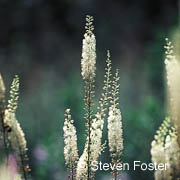
More than two centuries ago, Native Americans discovered that the root of the black cohosh plant helped relieve many female problems, including menstrual cramps and hot flashes, headaches, irritability, and other signs of menopause. Because it was used mostly to treat women, they called black cohosh "squawroot." The discomfort caused by menopause is typically treated with a synthetic form of the female sex hormone estrogen. Estrogen has eased millions of women through this life change, yet it often causes side effects. The most serious is an increased risk of breast cancer. Many women fear breast cancer so much that they suffer through meno-pause without treatment. A small but growing number of women who want relief without estrogen's side effects are discovering the benefits of black cohosh. The herbal therapy provides the same relief estrogen does, with no known serious side effects. Plant Description Black cohosh is made from the roots of a member of the buttercup family. The tall, flowering plant grows in forests of the United States and Canada. Black cohosh also is called black snakeroot, bugbane, bugwort, and squawroot. What's It Made Of? The compound in black cohosh that acts like estrogen is called cimicifugin (macrotin). Black cohosh contains several other substances including starch and sugars. Available Forms Black cohosh is available in several forms. The most familiar are capsules and tablets. Black cohosh is also available as a liquid tincture that can be mixed in water and as a dried root that's simmered in water to make a drink similar to tea. How to Take It Although black cohosh's comeback in the United States is relatively new, European women have used it for more than 40 years. Scientists in Europe and the United States have conducted several studies that prove the botanical treatment helps women while producing few side effects. The evidence was strong enough to convince the German government to approve black cohosh as a nonprescription drug. The U.S. Food and Drug Administration (FDA) regulates it as a dietary supplement along with vitamins, minerals, and other botanicals. Black cohosh has been proven effective in treating the following conditions.
Native Americans used black cohosh to treat other symptoms unrelated to menstruation or menopause. Scientists today see promise in black cohosh's ability to treat a variety of ailments. But they haven't studied its use in treating these problems as thoroughly as they have in treating symptoms of menstruation and menopause. Other conditions that may improve with black cohosh include the following.
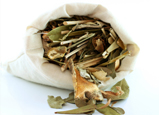
The recommended daily dose is 40 mg. If you're using black cohosh tincture, that equals 2 ml three times a day in water or tea. You may prefer capsules or tablets. Two will likely give you the recommended daily dose. To make a black cohosh drink, put 20 g of dried root in 34 oz. of water. Bring to a boil, then simmer 20 to 30 minutes until the liquid is reduced by a third. Strain, cover, and store in the refrigerator or a cool, dry place. The liquid keeps up to 48 hours. If the dosage for your brand of black cohosh differs, follow the recommendation of the manufacturer or your health care provider. As with most drugs and supplements, tell your provider about your interest in taking black cohosh. You should feel relief within six to eight weeks. Continue taking the treatment for up to six months. Precautions Studies in Germany have found no serious side effects with black cohosh. The botanical treatment does not appear to increase women's cancer risk, although you should talk to your provider before taking black cohosh if you've had breast cancer or are in a high-risk group. Avoid black cohosh if you're breastfeeding or pregnant. It can stimulate contractions and lead to premature labor. Some patients taking high doses of black cohosh have reported side effects, including the following.
Do not confuse black cohosh with blue cohosh, which is a botanical used to treat some of the same problems black cohosh helps. But scientists have not studied blue cohosh thoroughly and its safety is uncertain. Possible Interactions Black cohosh acts like the estrogen hormone. Therefore, if you are taking birth control medications or hormone replacement therapy (HRT), only take black cohosh on the advice of your health care provider. Supporting Research Beuscher N. Cimicifuga racemosa L.—Black Cohosh. Z Phytotherapie. 1995;16:301–310. Blumenthal M, ed. The Complete German Commission E Monographs: Therapeutic Guide to Herbal Medicines. Boston, Mass: Integrative Medicine Communications; 1998. Daiber W. Climacteric Complaints: success without using hormones. Ärztliche Praxis. 1983;35:1946–1947. Lieberman S. A review of the effectiveness of Cimicifuga racemosa (black cohosh) for the symptoms of monopause. J Womens Health. 1998;5:525–529. McFarlin BL, Gibson MH, O'Rear J, et al. A national survey of herbal preparation use by nurse-midwives for labor stimulation. Review of the literature and recommendations for practice. J Nurse Midwifery. 1999;44(3):205–216. Murray MT, Pizzorno J. Encyclopedia of Natural Medicine. Rocklin, Calif: Prima Publishing; 1998. Newall CA, Anderson LA, Phillipson DJ. Herbal Medicines: A Guide for Health-Care Professionals. London, England: The Pharmaceutical Press; 1996. Ringer DL, ed. Physicians' Guide to Nutriceuticals. Omaha, Neb: Nutritional Data Resources LP; 1998. Schulz V, Hänsel R, Tyler VE. Rational Phytotherapy. Berlin, Germany: Springer-Verlag; 1998. Stoll W. Phytopharmacon influences atrophic vaginal epithelium: Double blind-study—cimicifuga vs. estrogenic substances. Therapeuticum. 1987;1:23–31. Taylor M. Alternatives to Hormone Replacement Therapy. Comprehensive Therapy. 1997;23:514–532. Thacker HL, Booher DL. Management of perimenopause: focus on alternative therapies. Cleveland Clin J Med. 1999;66(40):213–218. Tyler VE. Herbs of Choice: The Therapeutic Use of Phytomedicinals. New York, NY: Pharmaceutical Products Press; 1994. Warnecke G. Influencing menopausal symptoms with a phytotherapeutic agent: successful therapy with Cimicifuga mono-extract. Med Welt. 1985;36:871–874.
Copyright © 2000 Integrative Medicine Communications The publisher does not accept any responsibility for the accuracy of the information or the consequences arising from the application, use, or misuse of any of the information contained herein, including any injury and/or damage to any person or property as a matter of product liability, negligence, or otherwise. No warranty, expressed or implied, is made in regard to the contents of this material. No claims or endorsements are made for any drugs or compounds currently marketed or in investigative use. This material is not intended as a guide to self-medication. The reader is advised to discuss the information provided here with a doctor, pharmacist, nurse, or other authorized healthcare practitioner and to check product information (including package inserts) regarding dosage, precautions, warnings, interactions, and contraindications before administering any drug, herb, or supplement discussed herein. |